
Outdoor Electrical Safety Around Water
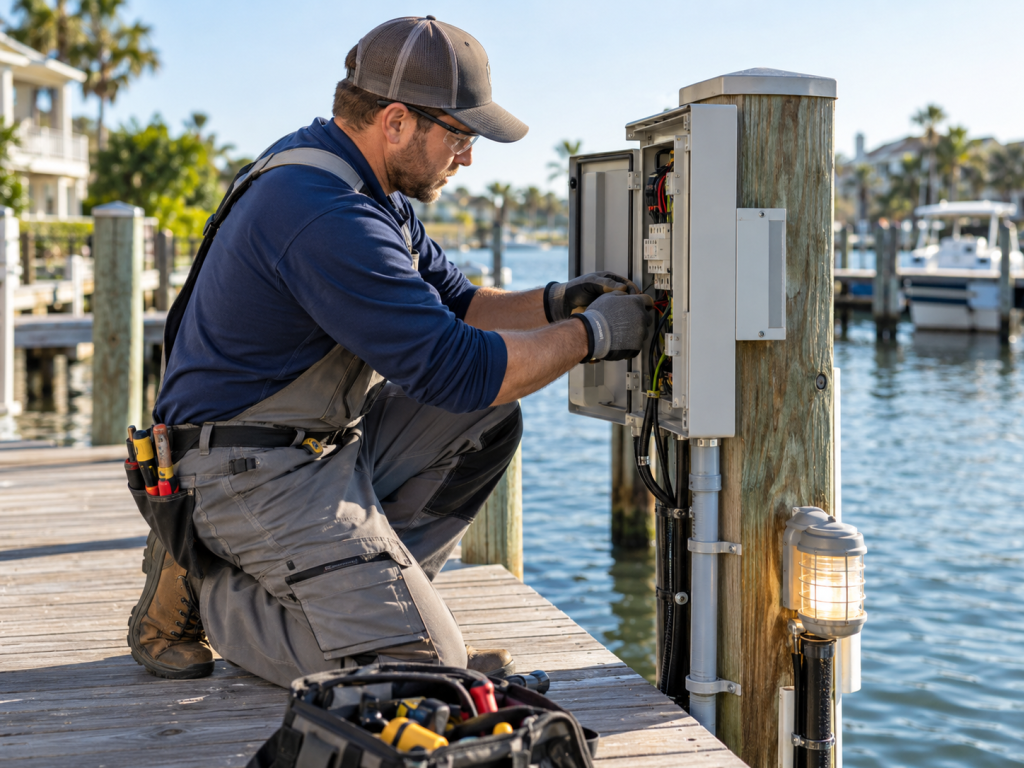
Outdoor electrical equipment has to handle conditions that indoor wiring rarely faces. Rain, humidity, salt air, standing water, storms, direct sunlight, and physical wear can all affect outlets, lighting, boxes, wiring, switches, and connections over time. For homeowners with docks, seawalls, waterfront walkways, patios, pools, or other outdoor areas near water, electrical problems deserve extra…
Read MoreGenerator Inlet Box vs. Extension Cord: What Is Safer?
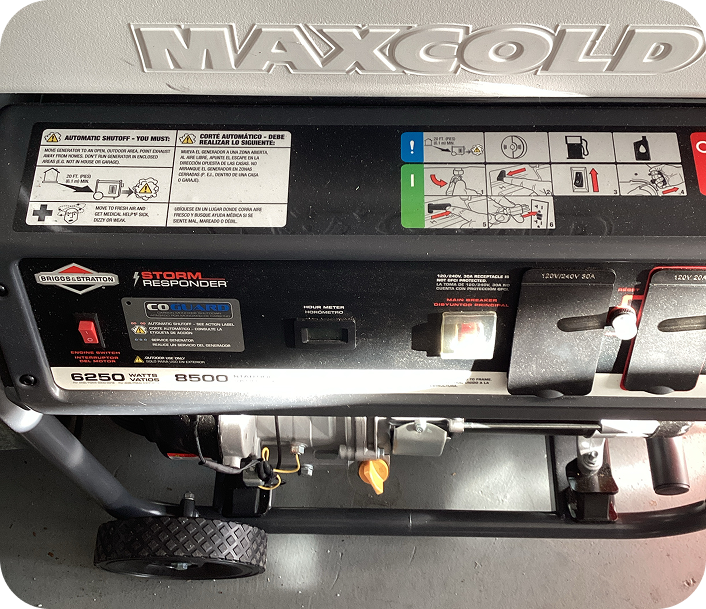
When the power goes out, a portable generator can keep selected appliances and circuits running. The question is how to get that power where it needs to go without creating another electrical hazard. Two common approaches are using generator-rated extension cords to power individual appliances or using a permanently installed generator inlet box connected to…
Read MoreCarbon Monoxide Detector Placement: Where Should CO Alarms Go?
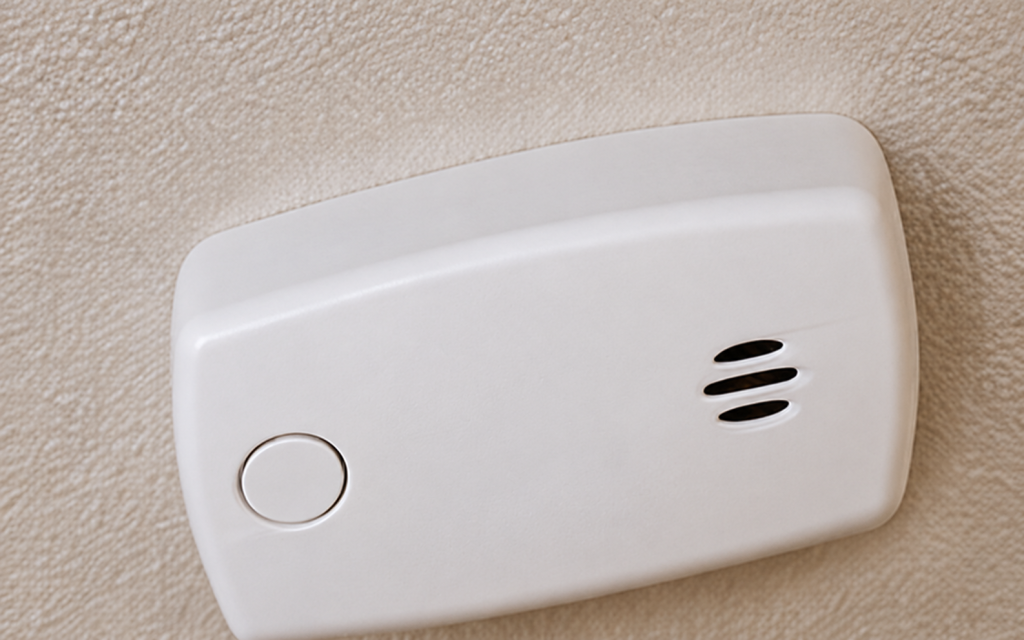
Carbon monoxide alarms are easy to overlook because they usually stay quiet in the background. Their job becomes critical only when carbon monoxide is present, which makes placement, power source, age, and regular testing worth paying attention to before there is an emergency. Carbon monoxide, or CO, is a colorless and odorless gas that can…
Read MoreElectrical Inspection Before Buying a Home: What to Know
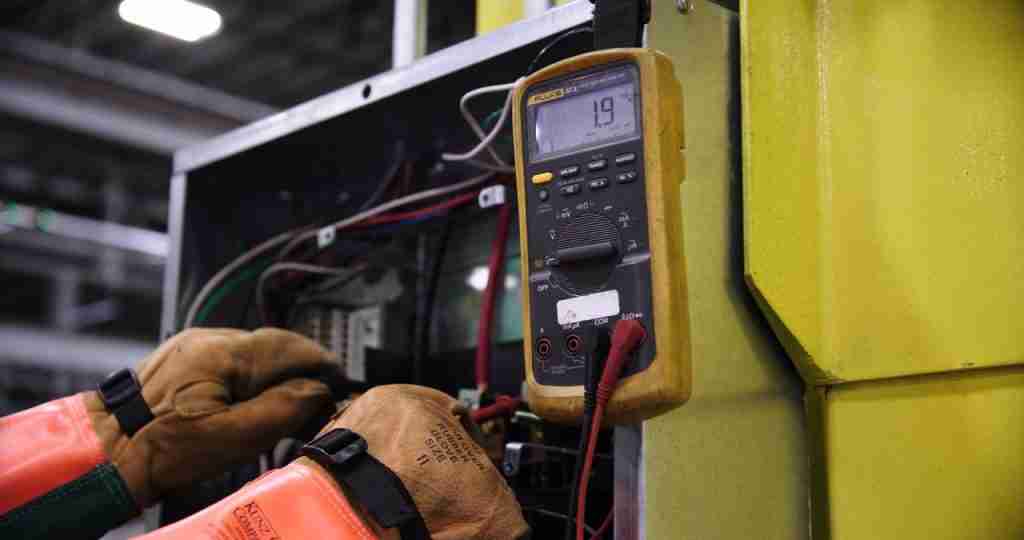
For many homeowners, a question like “Electrical Inspection Before Buying a Home: What to Know” starts when something in the home no longer feels normal. A light, outlet, panel, alarm, charger, generator connection, or exterior circuit may appear to be a small inconvenience, but it can also reveal how the electrical system is handling everyday…
Read MoreDoes Your Electrical Panel Support an EV Charger?

Installing an EV charger at home often starts with one practical question: can the electrical panel handle it? For some homes, the answer is yes. A dedicated charging circuit may be added without replacing the panel. Other homes may have limited electrical capacity, little room for another breaker, older equipment, or existing loads that make…
Read MoreCan You Install a Ceiling Fan Without Existing Wiring?
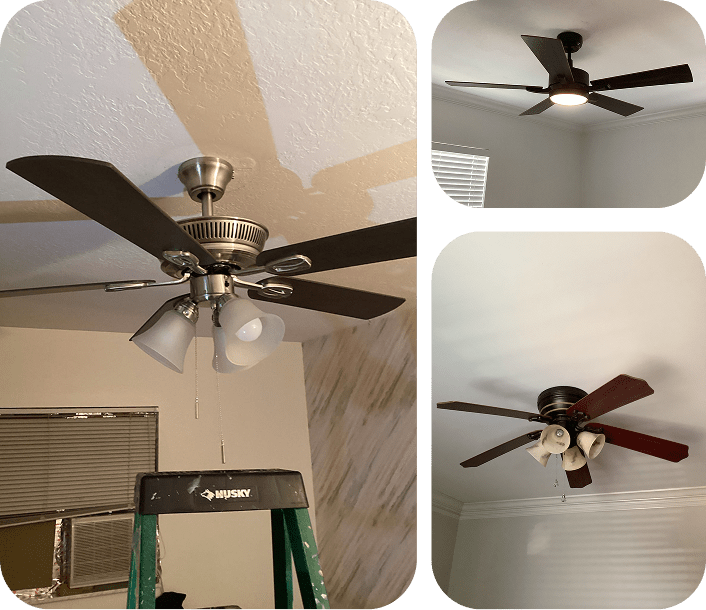
Yes, a ceiling fan can be installed in a room that does not already have ceiling wiring, but the project usually involves more than simply mounting the fan. New wiring may need to be run from an existing circuit, a fan-rated electrical box may need to be installed, and the controls have to be planned…
Read MoreRecessed Lighting Installation: What Homeowners Should Know

Recessed lighting can give a room cleaner lines, better visibility, and more even light without taking up ceiling space the way hanging fixtures do. But a good recessed lighting installation involves more than choosing a trim style or deciding how many lights look good in a room. The electrical side matters just as much. Fixture…
Read MoreDo Surge Protectors Protect Appliances?

Surge protectors can help reduce the risk of damage to appliances and electronics when voltage rises suddenly, but they are not an absolute shield against every electrical event. The level of protection depends on the type of surge, where it enters the home, the condition of the electrical system, and the surge protection equipment being…
Read MoreWhere Should GFCI Outlets Be Installed?

GFCI protection is common in parts of the home where electricity may come into contact with water or damp conditions. Bathrooms and kitchens are familiar examples, but homeowners may also see GFCI protection in garages, laundry areas, outdoor spaces, and other locations depending on the home and applicable electrical requirements. A GFCI, or ground-fault circuit…
Read MoreElectrical Panel Upgrade: What Homeowners Should Know
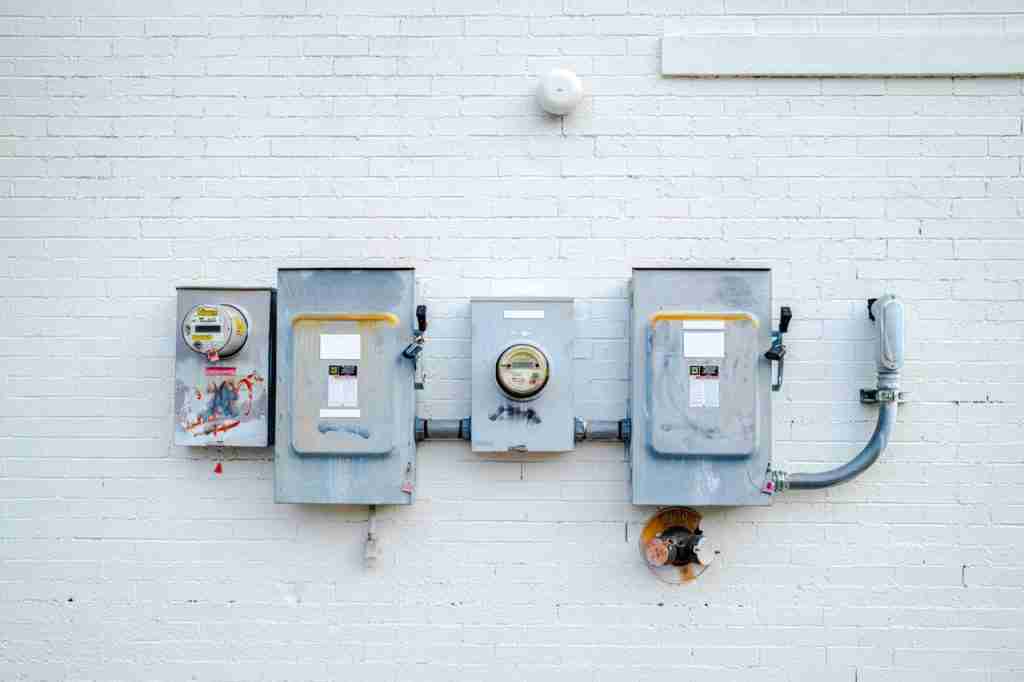
An electrical panel upgrade is a major home electrical project, but not every tripped breaker, flickering light, or new appliance means the panel needs to be replaced. Sometimes the problem is limited to one circuit, one breaker, a loose connection, or another electrical component. In other homes, the panel may have limited capacity, physical damage,…
Read More